Gopinath Tours & Travels

Kutch, Gujarat

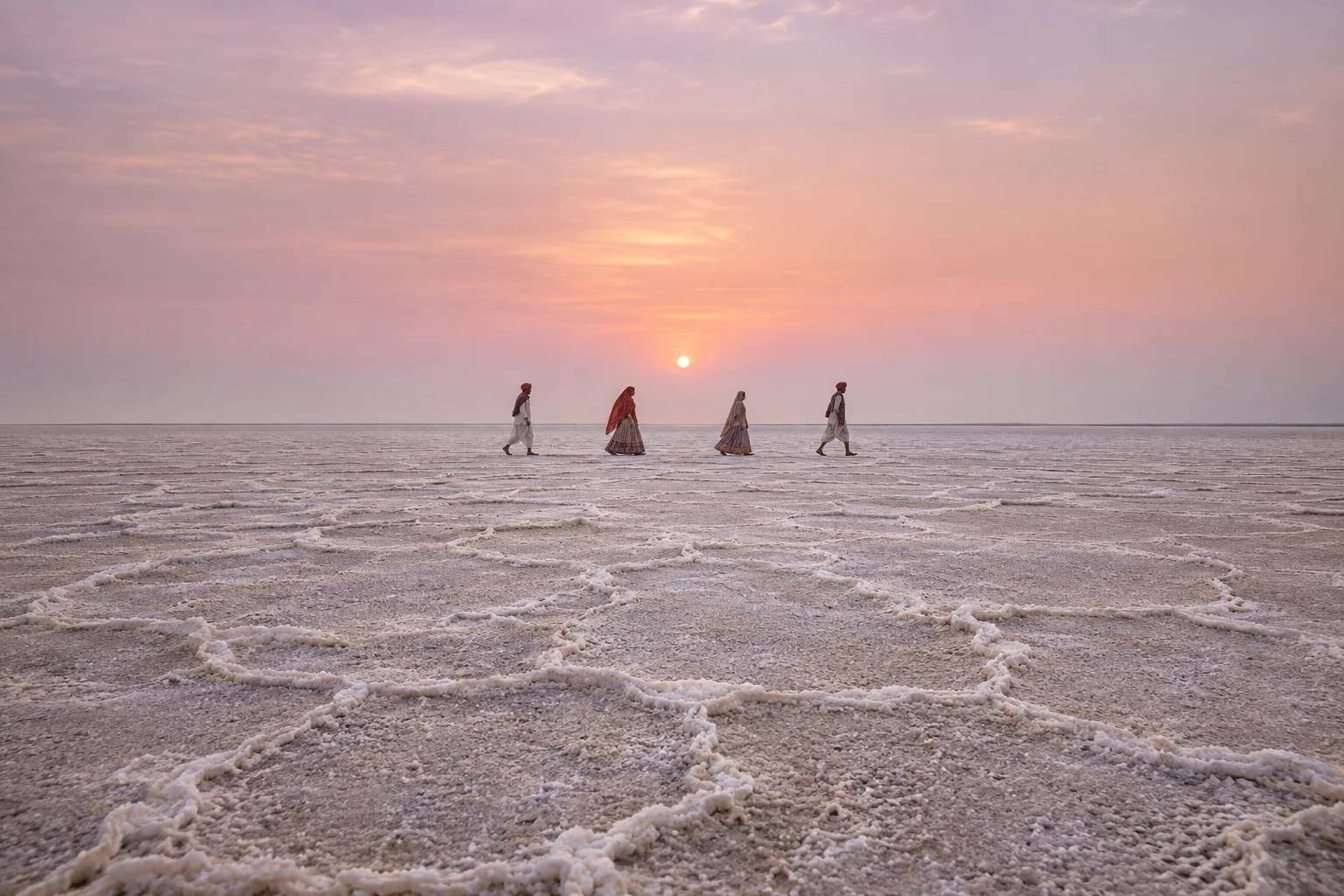
White Rann

The salt desert, the Banni landscape and the broad views from Kalo Dungar.

A wide salt flat in the White Rann

Salt flats, craft villages and big Kutch skies

Combine a sunset at the salt desert with Kala Dungar, the Banni grasslands or the craft village of Bhirandiyara. Ask about Rann Utsav stays and current access for your dates.

  • The Black Hills (Kalo Dungar)
  • Banni Grasslands
  • Bhirandiyara - A Beautiful Kutch Village

Planning your visit

White Rann and Kala Dungar

Ask about current access and permits for your dates. If you want to stay overnight, compare the Tent City itineraries.

See Tent City itineraries

Take a closer look

The White Rann is a landscape to experience slowly. Start with the salt flats, then decide whether the hill views or the Banni countryside matter most to your group. Those choices help shape the drive from Bhuj.

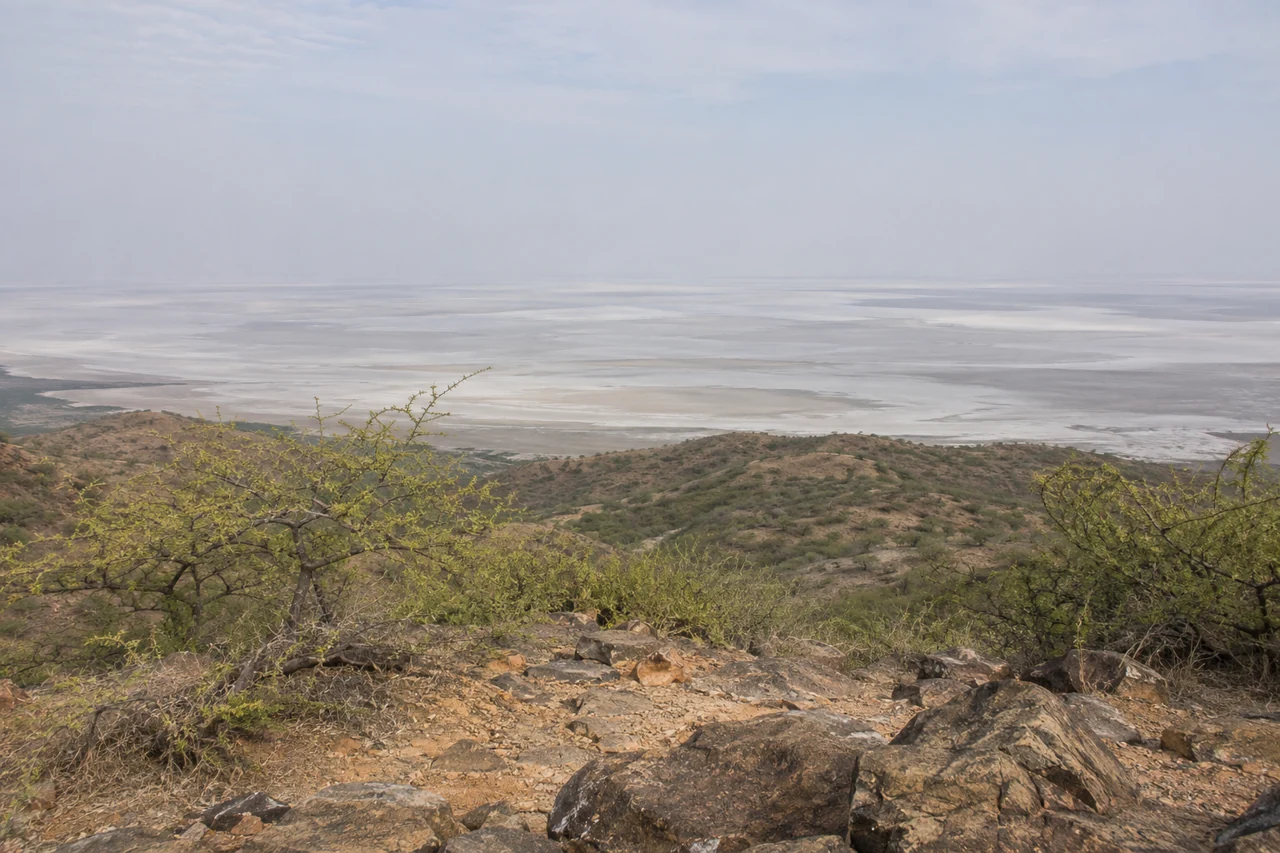
Kalo Dungar

A higher view over the Rann

Kalo Dungar

The Black Hill offers a different perspective on the flat salt landscape. Rather than rushing from one viewpoint to another, allow time to look across the changing horizon. Visibility and the appearance of the Rann vary with weather and season.

Pair with the White Rann only after discussing the day’s driving time.

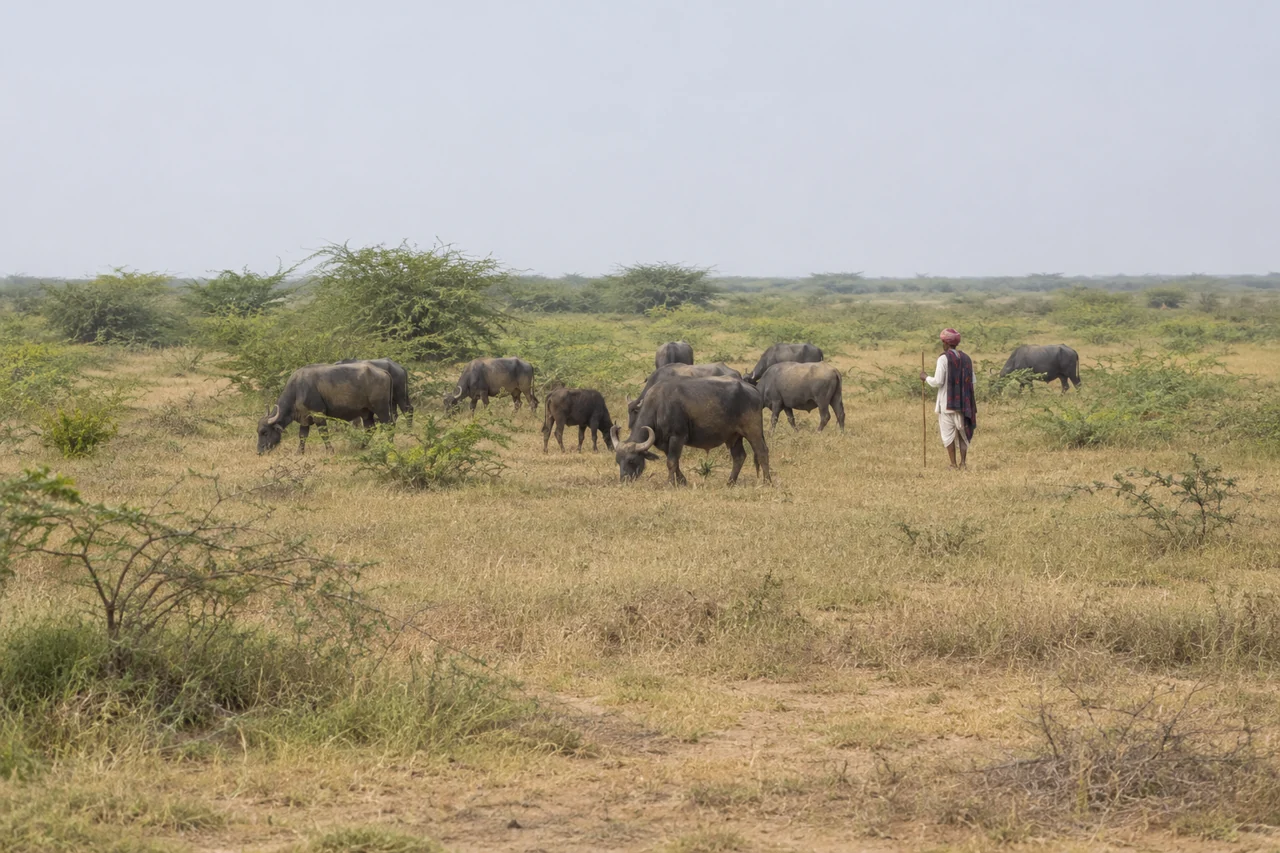
Banni Grasslands

Pastoral landscapes and village life

Banni Grasslands

Banni adds the human and ecological context behind the salt desert. Its grassland, scrub and pastoral settlements are a quieter part of a Kutch journey. Treat it as a landscape to understand rather than a guaranteed wildlife sighting.

Ask about a suitable village or craft stop along your planned route.

Putting the route together

Begin in Bhuj, choose a countryside stop, and leave room for the salt flats later in the day. Discuss Kalo Dungar separately with your driver so the route allows enough time for the hill approach.

Before you set off

  • Carry drinking water, sun protection and footwear suitable for an exposed salt surface.
  • Discuss current access requirements and seasonal conditions before choosing your travel date.
  • Give village and craft stops time, and ask before photographing people or entering workspaces.

Places to explore

White Rann at sunset

Make the salt flats the centre of your route. Ask about current access, permits and seasonal conditions when planning.

The Black Hills (Kalo Dungar)

Kutch’s highest point, Kalo Dungar (Black Hill), at 462 metres, is located north of the settlement of Khavda and offers breathtaking views over the Great Rann salt flat, or the inland sea if you’re there during the monsoon. To visit, you’ll need your own transportation. Another notable feature of the hill is a 400-year-old shrine devoted to Lord Dattatreya. According to legend, when Lord Dattatreya came to a stop here to rest, he discovered some starved jackals. He gave them his body to eat, and while they did so, his body kept growing back. They preparing cooked rice for jackals who arrive in the late evenings for a meal for the past 400 years. The Indo-Pak border lies about 40 km north from here. At Kalo Dungar, recently who noted that their cars were speeding down the hill at above 80 km/h.

Banni Grasslands

With an area of more than 2500 square kilometres, the Banni grassland in Kutch’s district is one of the biggest grasslands in the Indian subcontinent. Its nomadic pastoralism has a long and rich history that dates back at least 500 years. It also has connections to a wider geographic area that encompasses Afghanistan and Pakistan’s Sindh and Balochistan. The damming of rivers, the introduction and growth of the invasive Prosopis juliflora tree, and the constantly shifting quantity and composition of cattle that have grazed these grasslands for many centuries are just a few of the numerous elements that have shaped Banni over time. In Banni, the amount of vegetation varies greatly from year to year and is quite limited.

Bhirandiyara - A Beautiful Kutch Village

Visit the stunning Bhirandiyara Village in Kutch. It consists of a few dozen dwellings, and every resident works as an artist in some capacity. Fresh MAAVO, or milk reduced to a thick fudge-like consistency and sweetened with sugar, is the town’s most well-known dish. In this village, almost everyone works as an artisan of some type. Men work with leather, while women dominate the task with threads and mirrors. Men produce shoes, leather bags, umbrellas, leather wallets, leather bracelets, and more, while women create elaborate, colourful, vibrant, and utterly intriguing designs for clothing, bedsheets, wall hangings, tablecloths, jewellery, toys, handbags, and more. Cotton, silk, wool, and leather (mainly from camels, but occasionally from lambs or goats) are the raw materials they typically utilise. The needlework village of Kutch.

Keep exploring Kutch