
Gopinath Tours & Travels

Kutch, Gujarat

Dholavira

An ancient Harappan city reached by a sweeping drive across the salt plain.

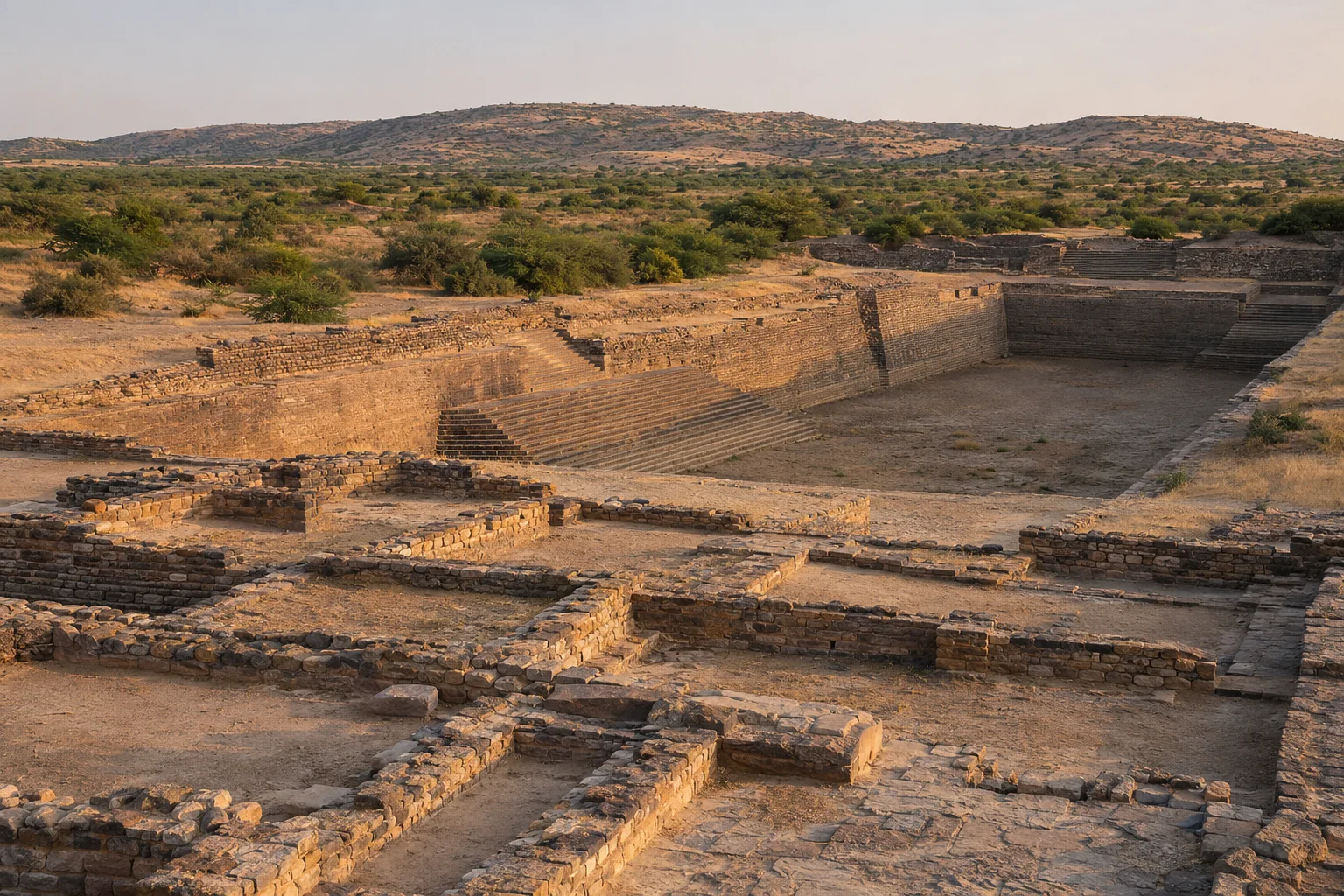
Stone ruins and open landscape at Dholavira

Harappan history on the edge of the Rann

Visit the archaeological site and museum and travel along the scenic Road to Heaven. Ask about opening days when you plan your route.

  • Ravechi Mata Temple
  • Kabrau Mogal Dham
  • Vrajvani Dham

Planning your visit

Road to Heaven and the Harappan site

Ask about road conditions for your dates and whether the museum is open. Decide whether Dholavira is your main stop or part of a longer route.

See Kutch itineraries

Take a closer look

Dholavira deserves time beyond the drive across the Rann. This Harappan city is especially compelling when you look at how its builders organised space and managed water. A guide or an informed site visit can help turn low stone remains into a readable picture of an ancient city.

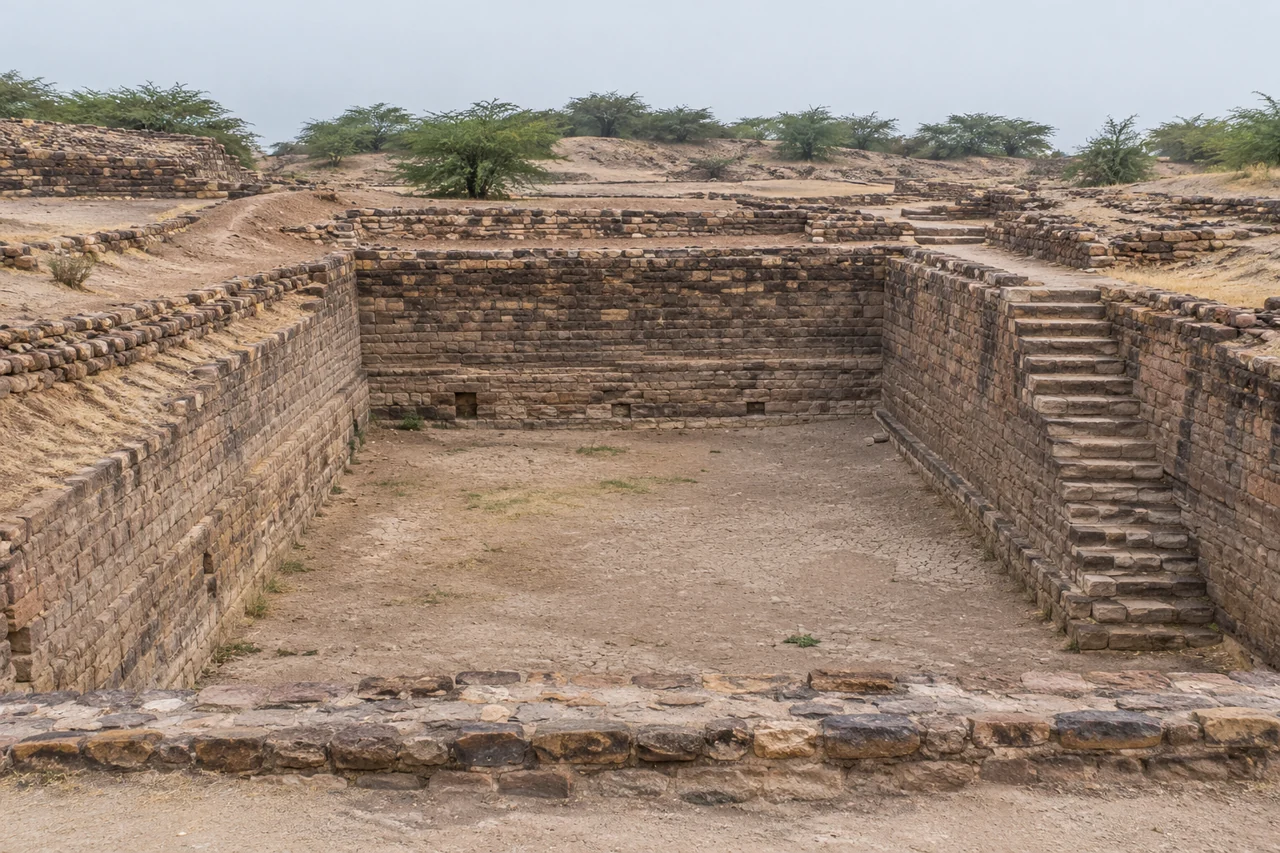
The water reservoirs

Reading the city through its water systems

The water reservoirs

The reservoirs are one of the clearest ways to understand Dholavira’s planning. Their stonework and scale show how water storage was woven into the settlement. Pause here to consider how a city functioned in an environment shaped by seasonal water.

An essential part of an archaeological visit, rather than a separate distant excursion.
Citadel and city remains

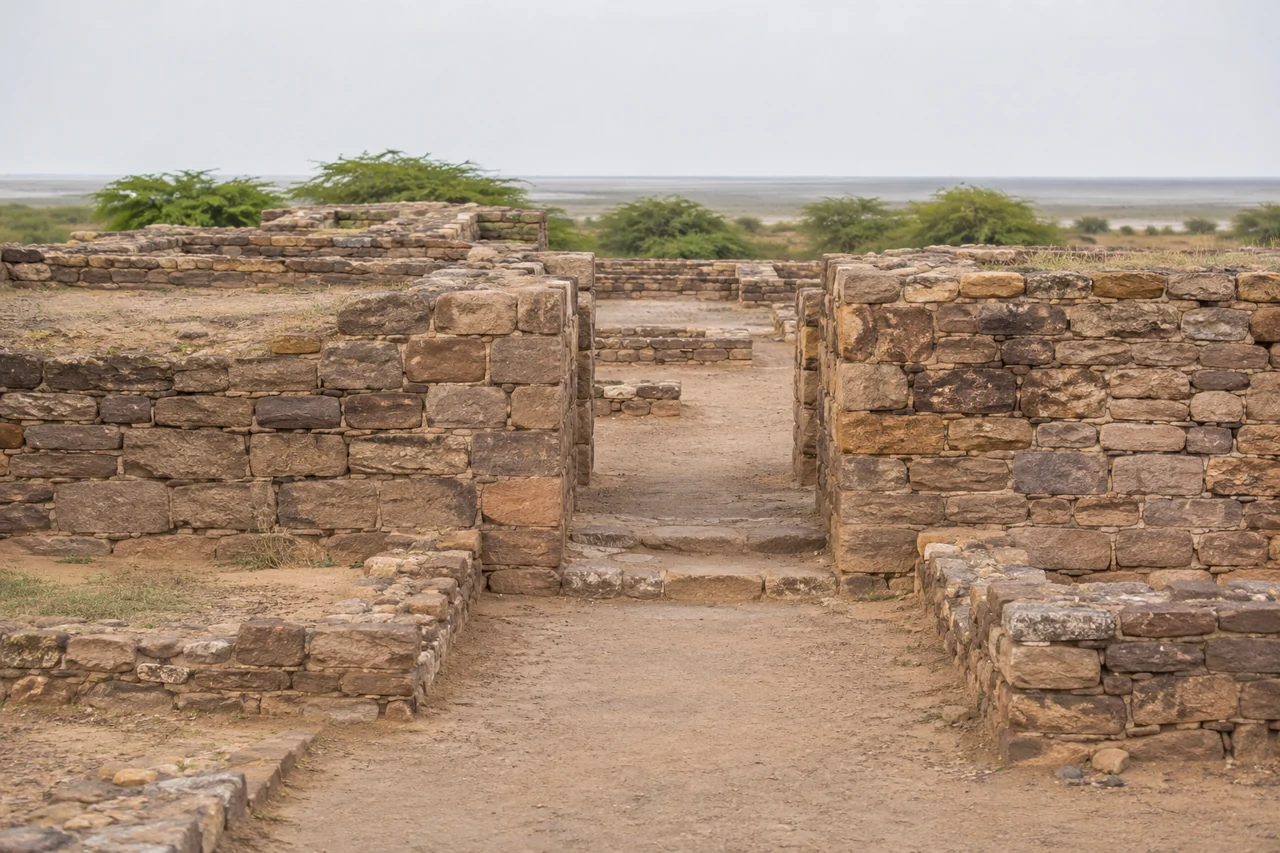
Streets, gateways and stone walls

Citadel and city remains

Walk through the surviving layout with attention to boundaries, entrances and changes in level. Many details are subtle at first glance. Pairing this with the reservoirs helps connect the physical remains to the larger story of Harappan urban life.

Allow time for interpretation and walking between areas.

Putting the route together

Plan the drive and archaeological visit together. Keep time for walking through the site, then decide whether nearby landscape stops fit your onward journey. The temples listed below are wider-route options rather than stops inside the excavation.

Before you set off

  • Bring water, a hat and walking shoes for exposed paths.
  • Ask about current site and museum access when arranging the visit.
  • Keep to permitted routes and avoid climbing on archaeological remains.

Places to explore

Dholavira Archaeological Site

Walk through the remains of the Harappan settlement and visit the archaeological museum. Ask about museum opening days before you go.

Ravechi Mata Temple

There is a temple dedicated to Ravechi Mata on the bank of a large pond, built in 1821 (Samvat 1878) at a cost of (24,000 Kutch koris). A grand fair is held on Bhadra Sud Atham of Hindu Calender. More then 30 thousand people participate in Ravechi Fair, mainly Ahir, Rabari & Charan communities. Special buses are made available during the fair. I discovered Sati and Hero stones as well as antique statues inside the temple’s perimeter. These were once carried by nomadic tribes during their migrations, where they were erected in shrines near their camps. Out of the temple income about 7500 cows are maintained. The old temple, a range of finely carved nine-domed shrines with porches built by the Pandavas.

Kabrau Mogal Dham

Mogal Dham Kabrau is located at a distance of 16 km from Bhachau. Removes age-old disease. Where donations are not accepted – Dakshina. Moghal, who is sitting in Kabarau of Kutch, is hungry for the value of devotees, not money. It also called Manidhar Vadwali Mughal. In the past, there have been bullocks and buffaloes alongside bullocks whenever there is water. One day, as he was bringing the bullocks in a pan, he told Mataji, “Where we light a lamp, the true sign comes from Mataji,” and we used to light the lamp there. However, this is not a lamp; rather, it is our price.” For this reason, we offer our sincere and loving prayers to Mataji, the genuine Nagara.

Vrajvani Dham

According to legend, an Ahir man played the dhol during a Janmansthanmi festival some hundred years ago, and 140 Ahir women began to dance to the beat. Neither the dancers nor the dholi gave up during this endless performance. It appeared as though they were reenacting Krishna and Gopis’ Raasleela. The women reportedly danced to the beats for several days or maybe a week. The spouses who came over to persuade them to stop and go back home infuriated the males of the Ahir village. After a few fruitless efforts, one of the men’s frustration escalated to anger and he decapitated the dholi. The story itself is quite dramatic, but what comes next will truly astound you. After their musician passed away, the 140 women burned themselves alive on his funeral pyre. Since he wasn’t their spouse, this wasn’t quite sati, but the temple nevertheless views them as satis. There are 140 large and tiny stone slabs within the temple compound that indicate the locations.

Keep exploring Kutch